
Finding My Peace Through the Anger
Author: Stacy Anne Case Bartle, Surviving Spouse of Army SGT Willard Jason Case
I’ve always been a person who uses every minute and every action to serve some purpose — a multitasking queen, some might say. If I have a minute to watch TV, I can also fold clothes. During our 20-minute commute to town or school, I’ll have a meeting with the kids about who needs to be where and when, or I can return that phone call on my to-do list. So, what is the purpose of writing about my husband, Jason’s, suicide? It will help me unpack the anger — a monster that isn’t often talked about, the grief, love, and forgiveness. It will help keep me moving forward with purpose, and — just maybe — my story can help someone else.
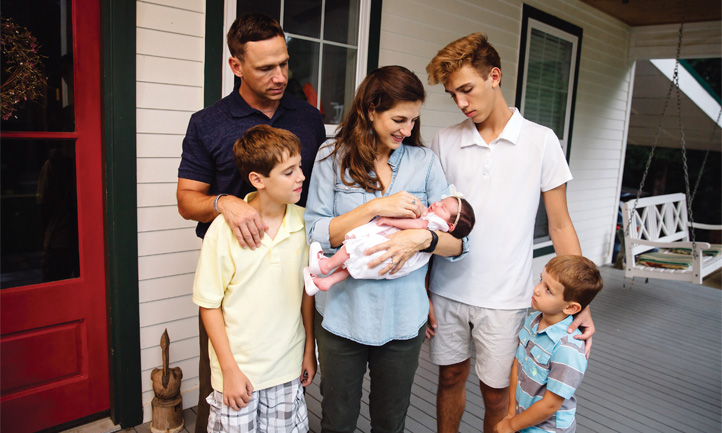
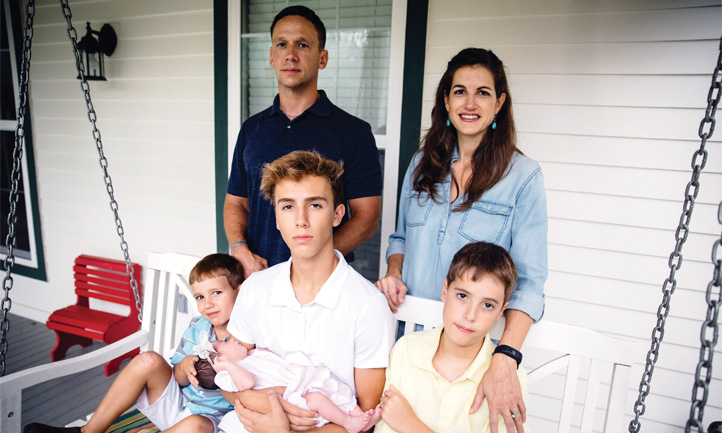
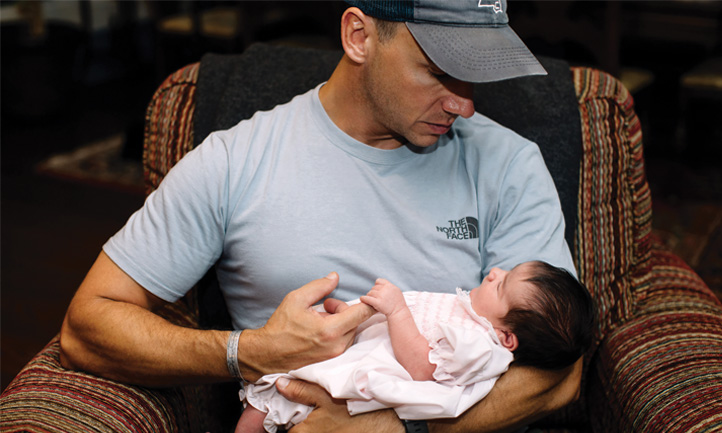
Outwardly, I have it all together — even in the days and months after Jason’s death — stoic, intentional. At the time, I was raising four kids: a charismatic, rebellious 15-year-old; an 11-year-old searching for his place while trying his best to be invisible; an enthusiastic, energetic 5-year-old who wanted only for me to watch him play t-ball; and a beautiful 9-month-old baby girl who stole everyone’s heart. I was a professor on the path to apply for tenure and promotion. And, I had a home to run — a home Jason designed but was a stranger to between deployments and contract work that would take him away for months at a time. I had no choice but to keep moving, keep working, keep going through the motions.
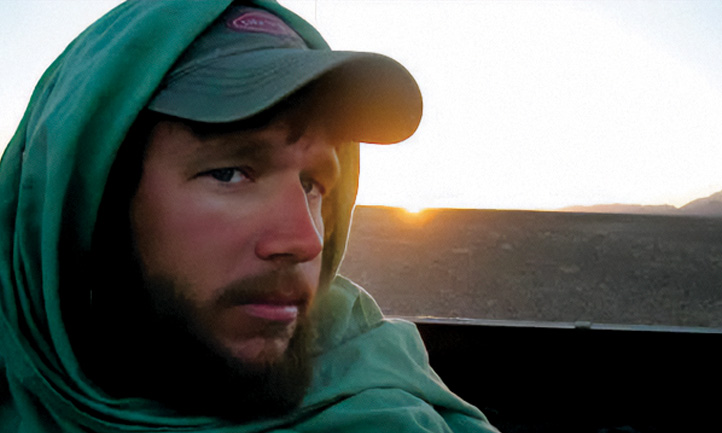
For the 19 years Jason was in my life, he was never comfortable. He always showed a level of angst — a chameleon-type, who fit in with those around him. He was a caveman — dragging off his game alongside fellow hunters in northern Louisiana; a hipster who could sing the lyrics of any 80s or 90s song; and a cultural man who could engage with my academic friends about Ernest Hemingway. He marched to the beat of his own drum, was quick-witted, and extremely sensitive to others’ pain. I was always jealous of his ability to empathize; how was he so sympathetic and forgiving? I would later take a lesson from him.
We met at a half-marathon in 1999, had a whirlwind romance, and were married by July 2001. He was in the special forces qualification course, and I was just beginning a career as a college professor. When we met, he told me special forces life could be tough on a family, which was why he chose to go into the Guard after completing the Delta course. He was using his GI Bill and going back to school at the university where I worked, and we began to settle into our newlywed life. Then came 9/11.
Most special forces soldiers deployed to Afghanistan or Iraq at some point post-9/11, and Jason was no exception. He was torn between feeling a sense of duty to his country and his new life as a young, married man. A seed of anger was planted then somewhere deep in my core. I knew he could not control the deployment, but I wanted him to be as devastated as I was that he was leaving our little family just as it was starting.
During that deployment, I was ecstatic to discover I was pregnant. He made it back in time to see his baby boy come into the world, but he came back a changed person. No matter how much I tried to create a home for us, he never quite found his place. He deployed again, this time to Iraq. We added another baby boy to our family, and while Jason loved us, he grew more distant and closed off. I had the house running like a well-oiled machine, but he couldn’t find his role in that machine. Unhappy with his job as a paramedic, which kept him on a regular schedule, he shifted to contract work that took him away for two weeks to three months at a time. He turned to alcohol to numb his pain and developed an addiction.
Although things at home were not good, I did my best to hold all the pieces together. We were blessed with our third boy; some part of me thought more children would force him to become the family man I so desperately wanted. But Jason’s addiction got worse — somehow functioning when working on site in Iraq and fighting demons at home. While home, I encouraged him to rest and spend time with our kids, but he would pass out soon after the kids and I returned from school and work, and wake up at 3 a.m. only to repeat the pattern.
When I got pregnant for the fourth time, I realized Jason was not getting better, and I was enabling him. He supported our family and loved the kids, but the demons were controlling him. I set a boundary with the drinking, and he chose to move out. No one really talks about what happens when you set a boundary, and the other person walks away. I was eight months pregnant with our baby girl, and he was living in a sketchy motel 15 miles away. I wanted to believe he was going to get better, seek help, move back in, and be the dad our kids deserved. But he couldn’t overcome his disease, and ultimately, it took his life.
The next few months were a blur, but my family, church, and work friends were a wonderful support system. Life kept moving somehow — plans were already in place for the kids to join me on a month-long study abroad program in Spain, and we still went. My oldest, 15 by then, immediately stepped into the man-of-the-house role for his siblings. I felt incredible, heavy sadness followed by intense anger — the most difficult part of this journey.
After every parenting challenge, an inner voice would say, “If their father were here…” followed by, “Why am I doing this alone…” and, “He was so selfish to do this to me.” Reading TAPS Magazine articles made me jealous, angrier — those survivors felt unconditional love for their partner.
Then came the guilt. I would tell myself, “It was a disease just like cancer,” and “You can’t control…” and “You have the privilege to be here for your kids that he will never have.”
Five years later, I’ve concluded that my key to peace is forgiveness — something Jason could give so naturally. It is realizing the anger will not give me the family man I tried so hard to make Jason; it will not give the kids the kind of dad who spins his little girl around or throws the baseball in the backyard with his sons; it will not comfort me or make me feel any better.
Jason’s loss still feels like an extra limb I will always have to carry with me. But, as I always have, I want my experience of losing a spouse and navigating anger, grief, pain, and finally, forgiveness to mean something. I want my story to have a purpose — to achieve my own peace while comforting fellow suicide-loss survivors. Give grace, forgive, and make peace with the anger.
Photos: Stacy Anne Case Bartle